Modern hotels are moving beyond reactive safety fixes and toward proactive ergonomic strategies that protect housekeeping staff while improving operational efficiency. Housekeeping remains one of the most physically demanding departments in hospitality. The housekeeping department is typically the most physically demanding area within hospitality. Housekeeping workers constantly perform tasks that include repetitive bed-making, pushing heavy carts, and holding difficult positions for long periods of time throughout their shifts.
Ergonomics—designing work and tools to better fit the human body—directly addresses these challenges. When applied correctly, ergonomics reduces fatigue, supports consistency, and helps hotels maintain stable, productive housekeeping teams. This article discusses the importance of ergonomics to the hotel housekeeping operation and why it has become a strategic priority for modern hotel operations.
Where Housekeeping Operations Commonly Fall Short
Repetitive bed handling, tight turnaround times, and physical strain create ongoing safety and efficiency challenges in housekeeping.
Many hotel workflows still depend on manual effort rather than ergonomic design. Common gaps include:
- Tucking Linens during Bed-Making
Housekeepers frequently lift mattress corners and edges to tuck linens in and clean up underneath; they do this in multiple rooms every shift.
- Repeatedly bending, reaching and pushing
Tucking sheets, vacuuming around furniture, cleaning baseboards/headboards, and moving loaded carts is strenuous to the back, shoulders and wrists.
- Limited recovery time between rooms
Tight cleaning shifts leave little opportunity for rest, allowing fatigue to build as shifts progress.
Over time, this combination of repetition, awkward posture, and physical effort increases discomfort and strain, making injuries and inefficiencies more likely in housekeeping operations.
The Human Impact: Why Ergonomics Matters to Housekeeping Teams
Ergonomics helps reduce daily strain, sustain energy, and support longer, healthier housekeeping careers.
From a staff perspective, ergonomics directly affects how sustainable the job feels day after day.
Key benefits for housekeeping teams include:
- Reduced physical strain
Ergonomic equipment and workflow will keep excessive bending, lifting, and twisting to a minimum when performing routine tasks (i.e. making beds). - Lower end-of-shift fatigue
When physical effort is reduced, housekeepers are better able to maintain pace and attention to detail throughout an entire shift. - Greater confidence and consistency
Standardized tools enable team members of different heights, strengths, and experience levels to be able to do their jobs safely and comfortably. - Improved long-term well-being
Reducing cumulative strain supports longer tenures and helps prevent the gradual wear-and-tear that often shortens housekeeping careers.
When staff are less physically stressed, morale is higher, which results in an increase in productivity and retention, as well as improving guest experience.
Operational Benefits of Ergonomics for Hotels
Safer work design leads to steadier performance, fewer disruptions, and more predictable operations.
The goal of ergonomics is not to simply enhance safety, but is part of an overall business strategy! Hotels that invest in ergonomic improvements often see:
- More consistent cleaning performance
Reduced fatigue helps teams maintain quality standards across all rooms, not just early in the shift. - Fewer absences and work restrictions
Less physical strain means fewer days lost to soreness, discomfort, or injury-related downtime. - Improved staff stability
When jobs are more sustainable, turnover pressure eases—reducing constant retraining and supervision demands. - More predictable room readiness
Consistent cleaning times help front desks better manage early check-ins and room availability.
Ultimately, ergonomics supports smoother daily operations with fewer injuries.
Financial Impact: How Ergonomics Reduces Hidden Costs
Preventing strain-related issues protects labor budgets and stabilizes housekeeping costs over time.
The cost of poor ergonomics is often hidden in areas such as overtime, temporary staffing, retraining, and inconsistent productivity. Because these costs may not be associated with a specific instance, they accumulate over a period of time.
Ergonomic improvements help hotels:
- Reduce reliance on overtime during staffing gaps
- Limit disruption from frequent employee replacement
- Improve the return on training investments
- Protect insurance and risk profiles through visible safety efforts
Instead of being reactive to problems as they occur, ergonomics gives hotels the ability to proactively manage these costs at their source.
Ergonomic Equipment That Supports Modern Housekeeping
The most effective ergonomic investments focus on high-frequency, high-effort tasks—especially bed making.
Not all ergonomic tools deliver the same impact. The best results come from addressing tasks performed in every room, every day.
High-impact equipment includes:
- Adjustable carts and cleaning tools
Reduce pushing force and limit bending or overhead reaching. - Lightweight vacuums and mops
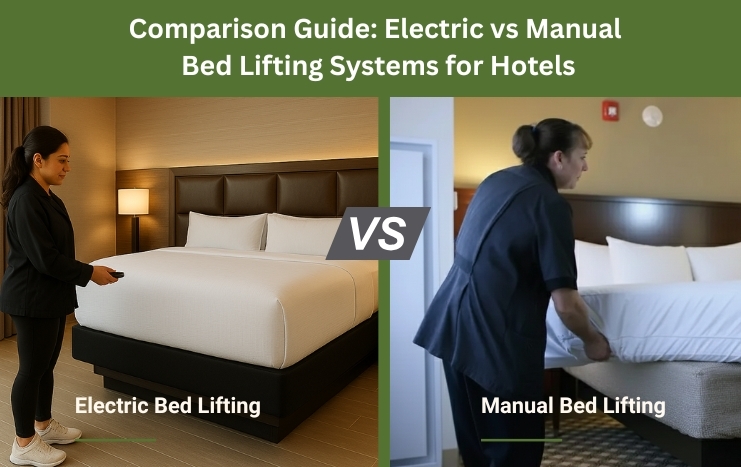
Minimize arm and shoulder fatigue during repetitive motions. - Bed lifting systems for bed handling
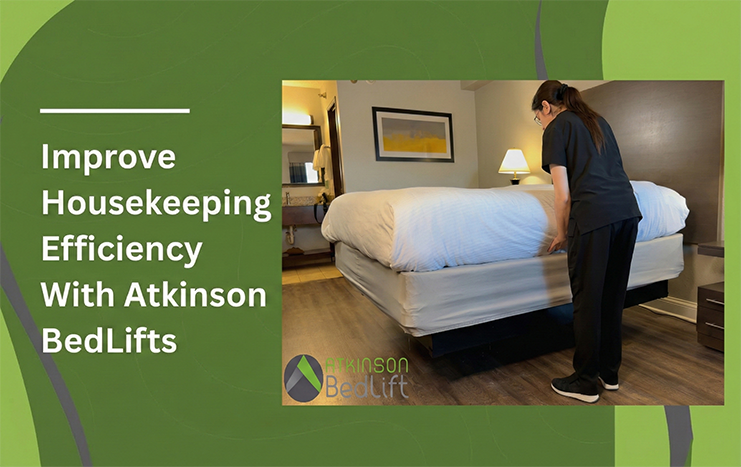
Bed making is one of the most physically demanding and frequently repeated housekeeping tasks. Lifting mattress edges during sheet changes places repeated strain on the lower back and shoulders.
Atkinson BedLift Systems—available in electric-powered and spring-powered models—support ergonomics by mechanically raising the bed up to a working height. This eliminates repetitive bending and awkward body postures during bed making, helping reduce fatigue-related strain and supporting safer, more consistent workflows.
Because beds are handled in every guest room, improving ergonomics here delivers outsized benefits compared to tools used only occasionally.
Conclusion
Ergonomics plays an important role in housekeeping, but it’s not just about meeting regulations; it’s also about creating a modern approach to running a hotel. Housekeeping workers experience fatigue, turnover, and inconsistent performance when their daily work includes jobs that cause them physical stress every day—and these problems can be solved by using an ergonomically designed workplace that focuses on preventing risks at the source.
By prioritizing high-frequency tasks like bed handling and investing in purpose-built solutions such as Atkinson BedLift, hotels can protect their teams, stabilize operations, and deliver better guest experiences over the long term.
Looking to modernize your housekeeping operations?
Explore Atkinson BedLift ergonomic solutions that improve safety, efficiency, and long-term performance.
Frequently Asked Questions
Housekeeping combines repetition, physical effort, and time pressure—making small design improvements have a big cumulative impact.
Yes. Less fatigued teams deliver more consistent cleaning, fewer missed details, and better overall room quality.
Improving bed handling during bed making, as it is one of the most frequent and physically demanding tasks in every guest room.
Absolutely. Options like spring-assisted bed lifting systems and adjustable tools provide meaningful benefits with controlled upfront cost.
By focusing on reduced fatigue, steadier staffing, operational consistency, and long-term cost control—not just injury prevention.
Disclaimer: Financial impacts based on mid-size hotel averages and industry research. Individual ROI varies by property size, occupancy, and implementation quality.